Hargeisa Camel Market: A Visitor’s Guide to the Livestock Market
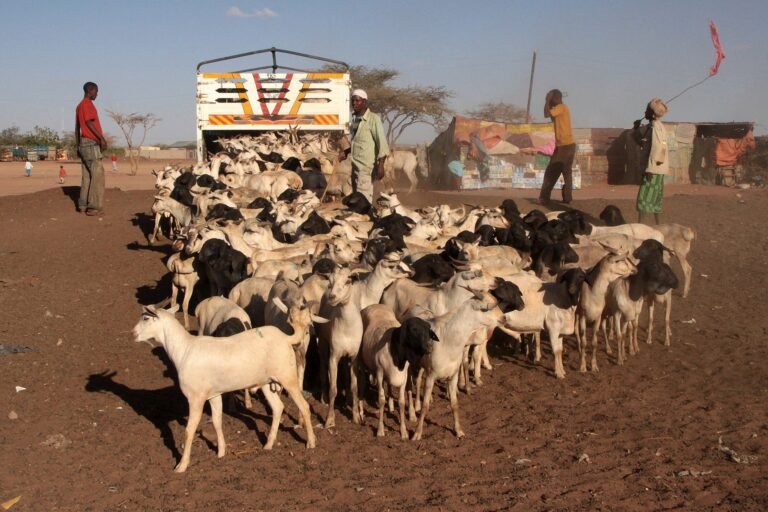
The Hargeisa camel market is where herders, brokers and exporters meet to trade camels, sheep and goats, often sealing deals with a silent handshake. Here is what you will see, how the trade works and how to visit with respect.
PLACES · HARGEISA
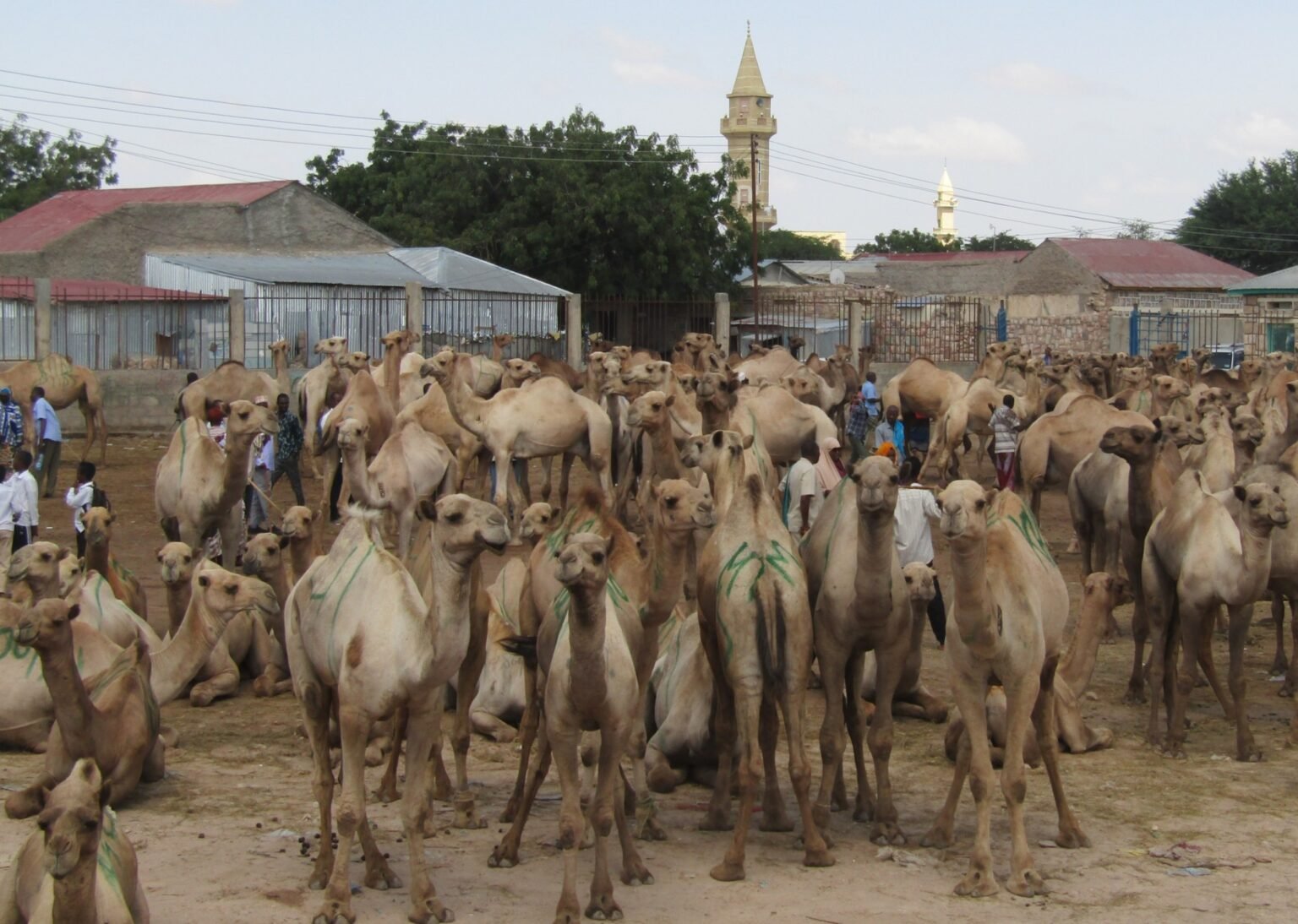
Few places explain Somaliland as quickly as its livestock market. Herders arrive from the countryside with their animals. Traders gather in small groups, and prices are agreed without a word spoken aloud. For a visitor, it is a window onto the trade at the heart of Somaliland’s economy.
What is the Hargeisa camel market?
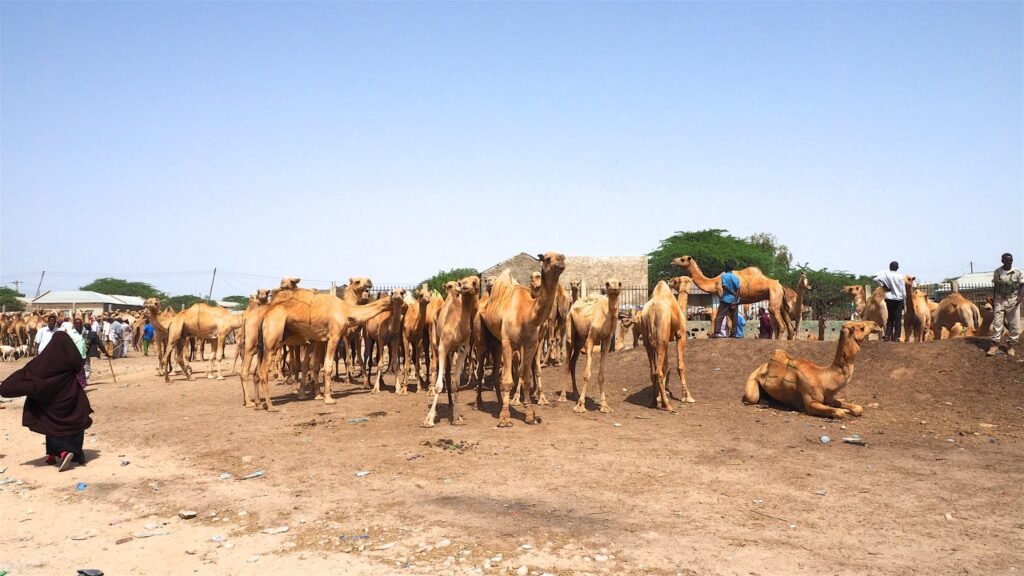
The market is a large open trading ground for camels, sheep and goats. In 2021, Africanews and AFP described it as Hargeisa’s biggest livestock market. This guide calls it the camel market, although sheep and goats are traded there too.
In 2009, The National described a dusty, windswept field on the outskirts of Hargeisa where traders meet each morning. The same report saw nomadic herders arrive with long lines of camels and sheep. Arrangements can change over the years, so ask your hotel or driver for the current location before you set off.
What you will see
The first thing most visitors notice is the camels. They stand in groups while buyers walk among them, checking each animal. Around them, flocks of sheep and goats move through the crowd.
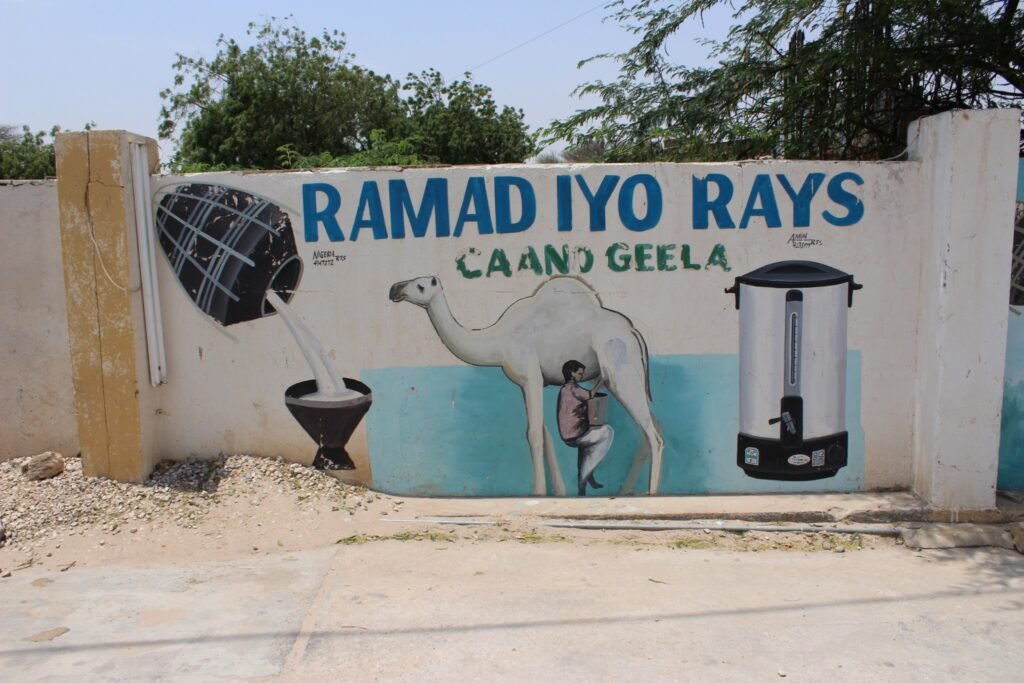
Fresh camel milk is part of the scene too. The AFP report noted that camel milk is sold fresh at the market. It also spotted something visitors often enjoy. Around Hargeisa, sheep and goats carry their owners’ phone numbers written on their sides, so lost animals can be returned.
The market overseer told AFP that an impressive camel can fetch around $1,000, far more than a sheep or goat. He summed up the mood in five words: “Here, the camel is king.” To learn why these animals matter so much, read our guide to camels in Somaliland.
The silent handshake: how deals are made
The most memorable sight is the way prices are agreed. Buyer and seller clasp hands under a cloth and negotiate in silence. In 2016, The World reported that squeezes and clasps of fingers and knuckles signal the offer and the asking price. The cloth hides the hands, so nobody nearby can follow the bargaining.
AFP described the same practice in 2021. The number of knuckles tapped and fingers grasped sets the price, keeping negotiations private. Once a deal is agreed, payment often moves by phone. AFP reported that payment is completed by mobile money transfer rather than in cash.
Brokers play a central part. A 2014 study by the International Livestock Research Institute lists brokers, known as dilaal, among the key actors in the trade. The study also explains how animals are graded. Sheep and goats are informally sorted into Grades I, II and III by age, conformation, body condition and sex.
From Hargeisa to Berbera and the Gulf
The Hargeisa camel market is more than a local bazaar. It is one link in a chain that runs to the port of Berbera and across the Red Sea. The ILRI study found that Hargeisa and Burao together handled about 80% of the sheep and goats exported from Somaliland.
The numbers grew quickly in those years. Export-quality sheep and goat sales in Hargeisa rose from about 457,000 head in 2008 to about 1.07 million in 2012. In 2012, Saudi Arabia took about 88% of sheep and goat exports, and Yemen about 11%, according to the same report.
The market matters to the city, too. In 2016, The World reported that the market accounts for up to 60 percent of Hargeisa’s tax revenue, citing a city tax collector. For the full journey from pasture to ship, see our guide to Somaliland’s livestock exports.
When to visit the Hargeisa camel market
Go early. The National’s 2009 report described traders meeting each morning, and the cooler hours are more comfortable for walking around.
The busiest time of year is the season before the Hajj pilgrimage, when demand from the Gulf peaks. The World reported that during one Hajj season, traders sold twice as many sheep and goats as in the other 11 months combined. It also counted 39,000 sheep and goats exchanged every day during that month. The ILRI study agrees that about half of annual export-quality trade takes place in the Hajj season. Expect bigger crowds and more energy if you visit then.
Visiting with respect
The market is a place of work, and visitors are guests. A few simple habits make the visit easier for everyone:
- Ask before you photograph people. A smile and a gesture towards your camera usually works. Accept a no gracefully.
- Give animals space. Camels are large, and herds move suddenly. Stand back from moving groups.
- Don’t interrupt a deal. Silent bargaining needs concentration, so watch from a polite distance.
- Dress modestly. See our guide to Somaliland etiquette for more.
- Wear closed shoes. The ground is dusty and uneven.
- Bring a local guide or driver. They can explain what is happening and help with introductions.
Planning your visit
- Getting there: arrange a car through your hotel. Ask for the current location, as it may differ from older reports.
- Time needed: an hour or two is enough to see trading at its busiest.
- Combine it: the market fits easily into a day of sightseeing. See our list of things to do in Hargeisa for ideas.
- Safety: the UK government advises against all but essential travel to Maroodijeh, including Hargeisa. Check the latest official advice and read is Somaliland safe? before you go.
As one trader told AFP, “Camels are our crude oil.” A morning at the Hargeisa camel market shows you what he meant. It is noisy, dusty and full of life, and it makes a memorable morning in Hargeisa.
Sources (5)
- Milk, meat and might: in Somalia, ‘the camel is king’, Africanews with AFP, 17 November 2021 (updated 13 August 2024).
- Somaliland farmers are allowed back into the fold, Matt Brown, The National, 9 October 2009.
- How a goat and a handshake could save Somalia, Tristan McConnell, The World (PRX), 31 July 2016.
- Enhancing the provision of livestock marketing information in Somaliland, L.M. Godiah, D. Baker, I.I. Elmi, R. Costagli, I. Gulaid and F. Wanyoike, ILRI Research Report 35, International Livestock Research Institute, 2014.
- Foreign travel advice: Somalia, regional risks, Foreign, Commonwealth & Development Office, GOV.UK (accessed 7 November 2026).
Last checked 7 November 2026. Found an error or something out of date? Tell us.