Somaliland’s Livestock Exports: From the Market to the Gulf
Somaliland livestock exports reached about 3.8 million animals in 2025, official figures show. Here is how the trade works, from the market to the ship, and what shapes it.
OPPORTUNITIES · TRADE
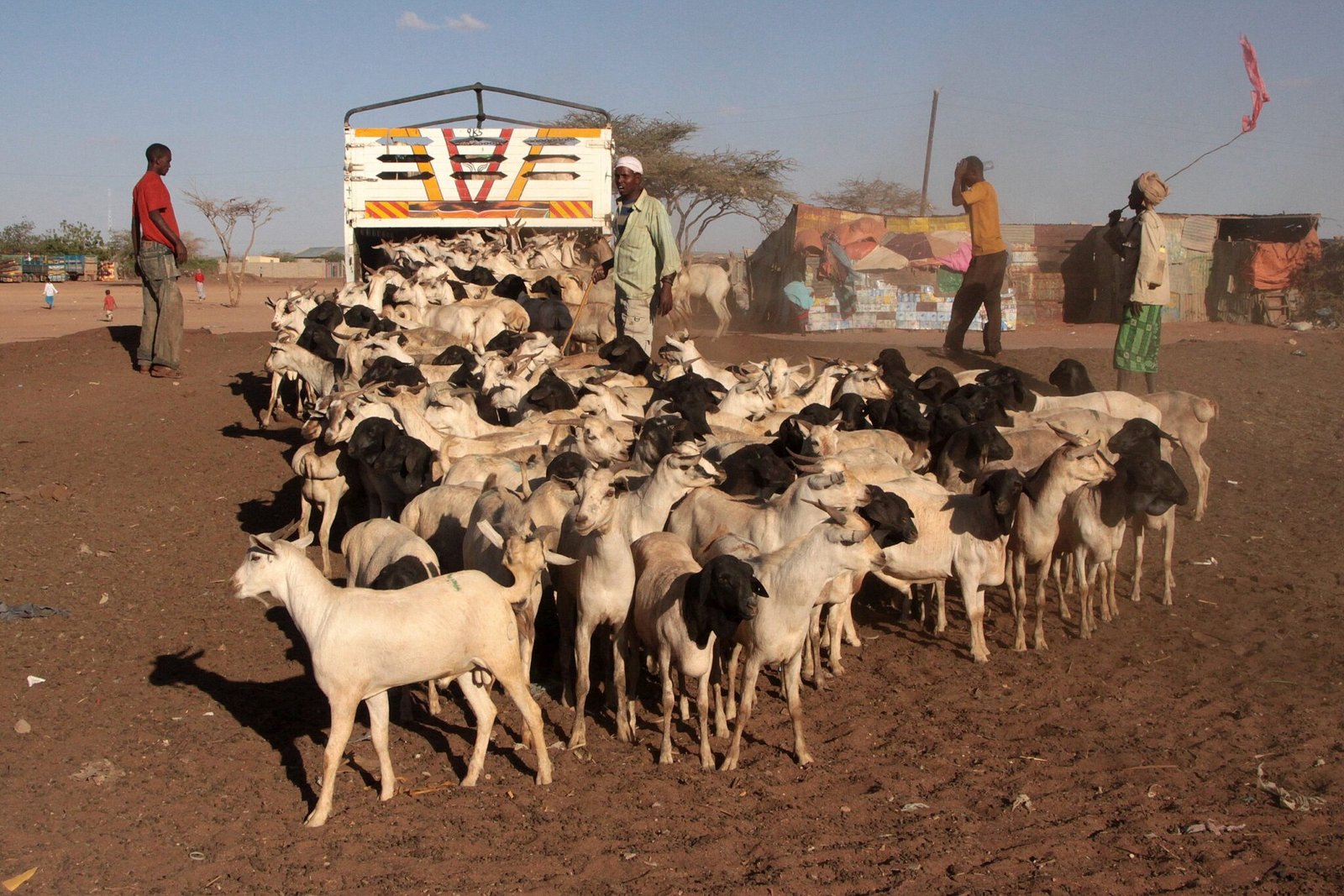
Every year, millions of sheep, goats, cattle and camels leave Somaliland by sea. They are bought in inland markets, trucked to the coast and shipped across the Gulf of Aden to the Arabian Peninsula. Official statistics call livestock the backbone of Somaliland’s exports. This guide follows Somaliland livestock exports from the market to the ship and looks at the forces that shape the trade. For the bigger picture, see our overview of the Somaliland economy.
Somaliland declared independence from Somalia in 1991 and governs itself. Somalia regards it as part of its territory. Israel (December 2025) is so far the only UN member state to recognise it (see Somaliland’s foreign relations).
Somaliland livestock exports at a glance
Here are the official export numbers, in head of livestock, for the last five years. They come from Somaliland’s Central Statistics Department, which cites the Ministry of Finance.
| Year | Sheep and goats | Cattle | Camels | Total |
|---|---|---|---|---|
| 2021 | 1,867,665 | 102,346 | 27,960 | 1,997,971 |
| 2022 | 2,063,597 | 125,243 | 46,630 | 2,235,470 |
| 2023 | 2,842,439 | 169,413 | 115,625 | 3,127,477 |
| 2024 | 3,455,842 | 202,331 | 144,730 | 3,802,903 |
| 2025 | 3,518,013 | 166,203 | 132,862 | 3,817,078 |
The growth is striking. In 2020 the total was 1,277,897 animals, so exports almost tripled in five years. In 2025, however, the total barely moved. Sheep and goats rose slightly, while cattle and camel exports fell from their 2024 peak.
Sheep, goats, cattle and camels
Sheep and goats dominate Somaliland livestock exports. In 2024 they made up 91% of all animals exported, according to the Ministry of Finance’s trade bulletin. Cattle made up 5% and camels 4%.
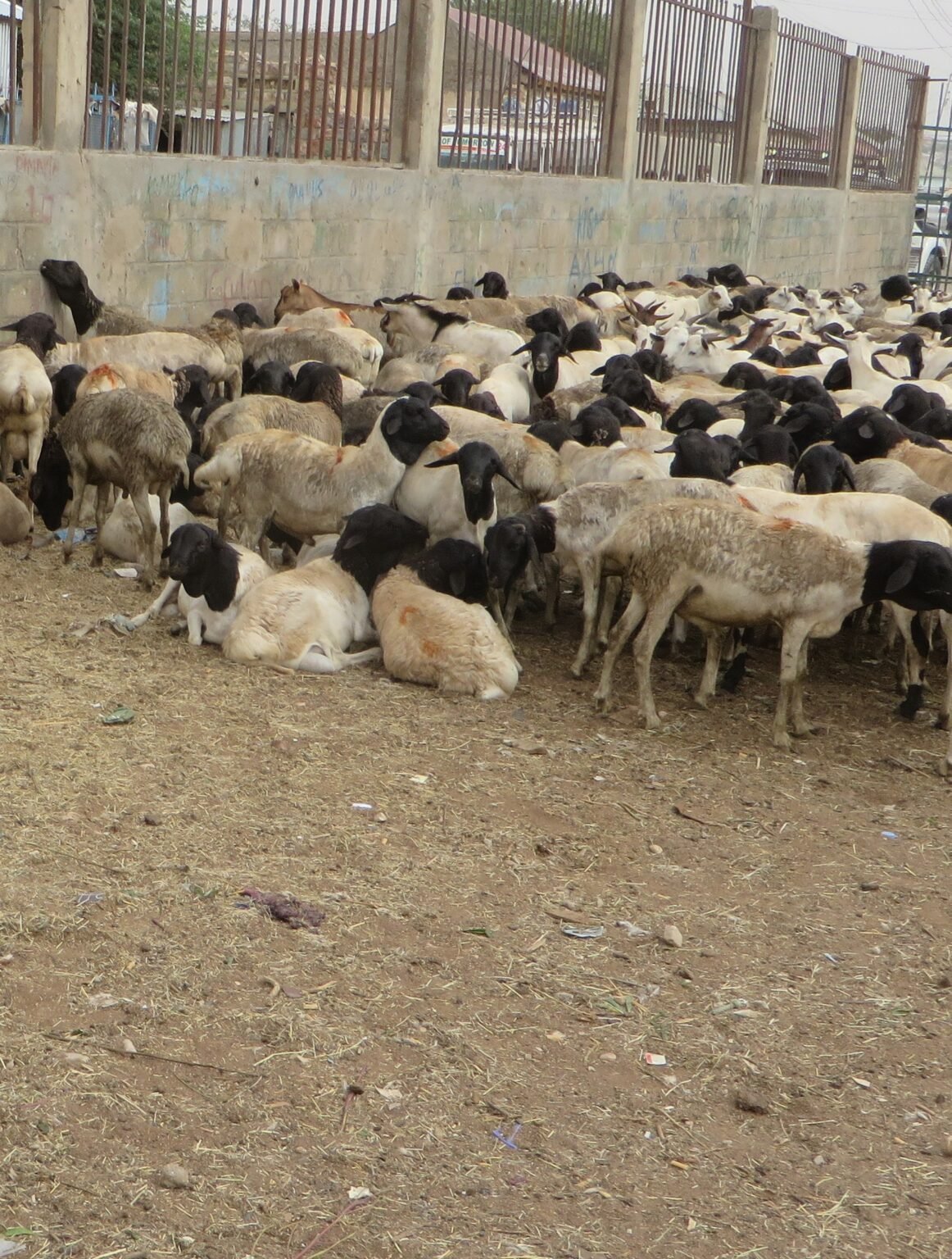
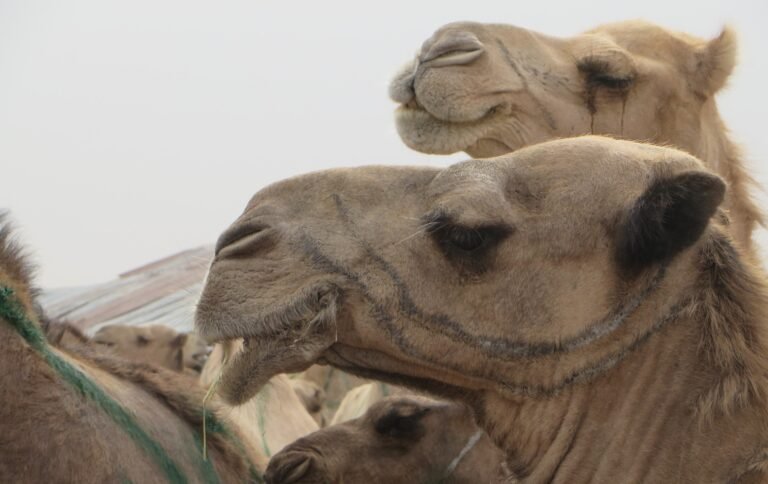
Larger animals are worth far more each, though. Using local market prices, the same bulletin valued a sheep or goat at about $74, a head of cattle at about $682 and a camel at about $829. On that basis, Somaliland livestock exports in 2024 were worth about $515 million. That is roughly four-fifths of the value of all goods exports recorded in the bulletin. Camels in particular carry a weight far beyond trade; we tell that story in camels in Somaliland.
How big is livestock in the wider economy? Estimates vary widely. An ILRI report put it at about 60% of GDP in 2014, while a 2020 study gave about 30% of GDP. Both say it employs around 70% of the population, directly or indirectly.
Saudi Arabia, the Hajj and Eid al-Adha
The official bulletins say exports go mainly to the Arab Gulf States, especially Saudi Arabia. They do not give a breakdown by country. The most detailed split we found is older. In 2012, Saudi Arabia took 88% of Somaliland’s sheep and goat exports and 90% of its camels, according to a table in the ILRI report. Cattle went mostly to Yemen (57%) and Oman (42%).
The calendar matters as much as the map. Across the Somali region, FAO notes that exports to Saudi Arabia peak ahead of the Hajj and the Eid festivals. At Eid al-Adha, Muslims traditionally sacrifice an animal. Estimates of the Hajj share differ. ILRI found about half of the yearly sheep and goat trade in the Hajj season. The 2020 study put it at about 70% of small ruminant exports.
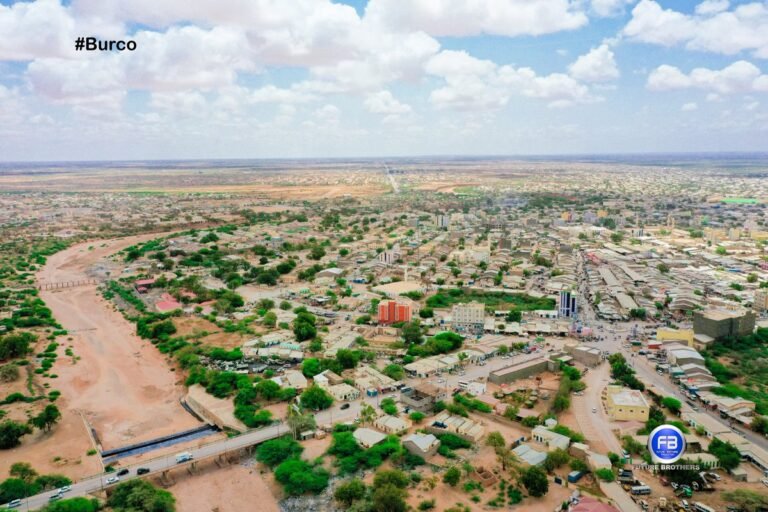
Not every animal is born in Somaliland. About half of the animals exported through Berbera come from the Somali region of Ethiopia, the same study notes. They pass through big inland markets such as Hargeisa, Tog Wajaale and Burao.
Berbera: quarantine and the ship
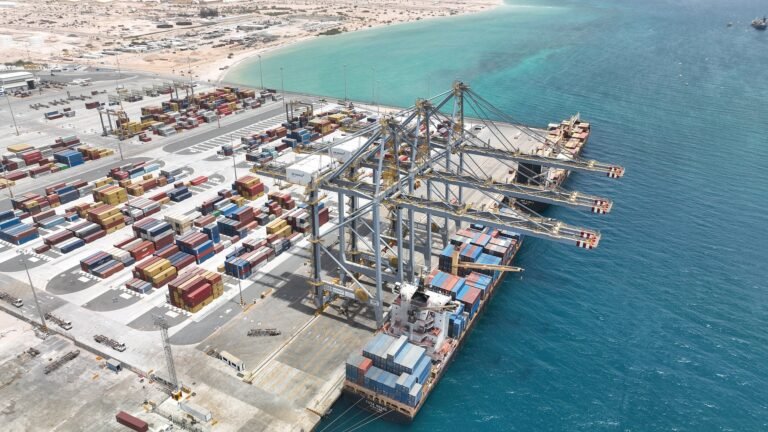
Somaliland livestock exports leave through the port of Berbera, the main export point. Before loading, animals go through quarantine. Official quarantine stations collapsed in 1991, during the civil war. New ones followed after 2009. By 2014, three stations were operating: one public-private partnership and two private stations, opened in 2009, 2010 and 2012. Together they could hold more than two million sheep and goats.
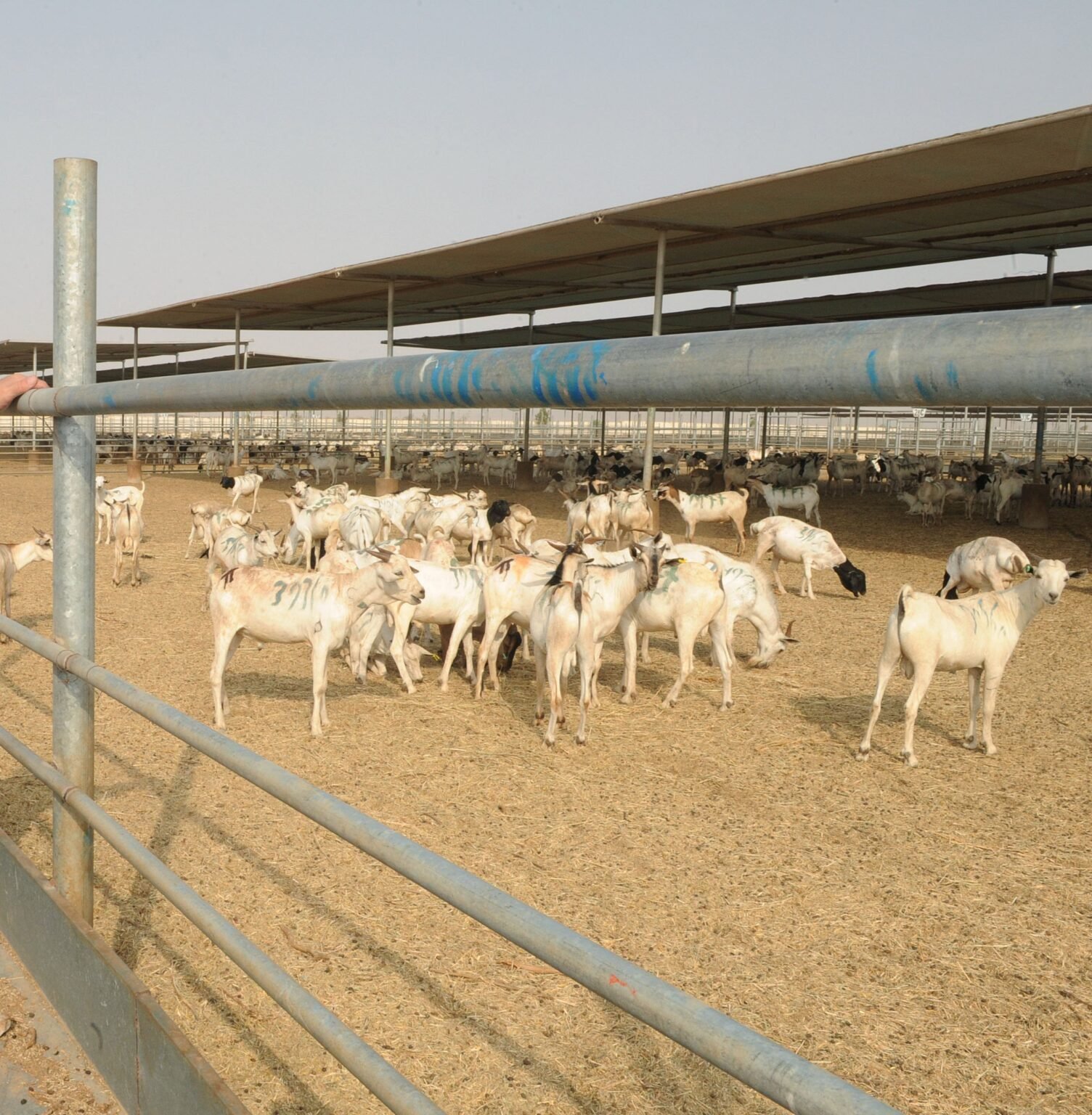
Inside, animals wait for several weeks. They receive blood tests and vaccinations, VOA reported in 2016. At the height of that year’s Hajj season, the Berbera quarantine held over one million animals.
A new facility is now being built. In December 2025, Somaliland’s livestock minister laid the foundation stone for an 88-hectare quarantine zone near Berbera port. The $20 million project is led by Taiwanese investors, with Saudi and American partners. It is designed to handle up to one million head a year. Testing is planned for late 2026, with full operations in early 2027.
The bans that shaped Somaliland livestock exports
Animal disease has stopped the trade more than once. The main concern has been Rift Valley fever. The 2000 outbreak alone left dozens of people dead and hundreds infected, FAO reported.
1998–1999. After an outbreak in Kenya and Somalia, Saudi Arabia banned livestock from the Horn of Africa from February 1998 to April 1999, FAO reported. Exports from Berbera fell from nearly three million head in 1997 to just over one million in 1998.
2000–2009. In September 2000, Rift Valley fever broke out in Saudi Arabia and Yemen, the first outbreak reported outside Africa. A new ban followed, and a shipment from Berbera was turned back. This time, Saudi Arabia kept its ban for nine years. Somaliland’s livestock minister announced its end on 5 November 2009, just before the Hajj. In Hargeisa, one middleman said sales jumped from about 1,500 sheep a day to over 16,000 animals.
2016 onwards. Saudi Arabia suspended imports from Somalia and Somaliland again in late 2016. Sources differ on the month: September, November or December. The ban was eased during each Hajj season. In April 2020, Saudi Arabia announced it would temporarily lift the ban on livestock from Somalia. A 2021 study estimated the ban’s cost to Somaliland’s livestock sector and government at about $770 million over five years.
Challenges: drought, disease and one big buyer
Drought. In 2016 and 2017, drought across Somalia caused livestock deaths affecting 60% of herds in some areas, the UN reported. This figure covers the wider Somali region, not Somaliland alone. In Somaliland, drought cuts cattle exports more than sheep and goat exports, the 2020 study found.
Disease and standards. Each ban shows how much depends on animal health. The same study points to weak sanitary standards and limited oversight of private quarantine.
One big buyer. So much depends on Saudi Arabia and on a single season. A ban or a quiet Hajj therefore hits hard. In 2020, COVID-19 limits on the pilgrimage meant livestock imports were not needed. The 2020 study also found that a few exporters dominate the trade.
Politics. Because Somalia regards Somaliland as part of its territory, trade through Berbera can become a point of dispute. In January 2025, Somaliland accused the federal government of interfering in livestock exports, and its livestock minister suspended exports for four days, Hiiraan Online reported. The report carried no direct response from the federal government.
Adding value to Somaliland livestock exports
For decades, the country has mostly sold live animals. That may be starting to change. In October 2025, the Al Manaar slaughterhouse in Berbera prepared 16 tonnes of halal-certified processed meat for the United Arab Emirates. Its owner called it the first direct processed-meat export in Somaliland’s history.
“We’ve dreamed of this day for years — to export our meat, not just our animals,” he told The Horn Tribune.
The new quarantine zone has a related aim. Stricter quarantine and certification rules abroad make modern export facilities necessary, NTU’s Centre for African Studies notes. Both projects are new, so it is too early to judge their results.
The trade is old, but it keeps changing. To see where it starts, visit a livestock market at dawn. To see where it ends, look out over the port of Berbera.
Sources
- Leading Macro-Economics Indicators 2021–2025, Central Statistics Department, Ministry of Planning and National Development, Somaliland (2026; accessed 28 October 2026).
- Leading Macro-Economic Indicators 2020–2024, Central Statistics Department, Ministry of Planning and National Development, Somaliland (2025; accessed 28 October 2026).
- Trade Statistical Bulletin 2024, Macroeconomics and Statistics Department, Ministry of Finance and Economic Development, Somaliland (accessed 28 October 2026).
- Factors influencing livestock export in Somaliland’s terminal markets, Ahmed M. Musa, Oliver V. Wasonga and Nadhem Mtimet, Pastoralism 10:1, 9 January 2020.
- Enhancing the provision of livestock marketing information in Somaliland, L.M. Godiah, D. Baker, I.I. Elmi, R. Costagli, I. Gulaid and F. Wanyoike, ILRI Research Report 35, International Livestock Research Institute, December 2014.
- Rift Valley fever threatens livelihoods in the Horn of Africa, EMPRES Transboundary Animal Diseases Bulletin, FAO (undated, c. 2000; accessed 28 October 2026).
- Somalia: IRIN focus on Saudi livestock ban, IRIN via ReliefWeb, 22 September 2000.
- Saudi livestock move boosts Somaliland economy, IRIN via Hiiraan Online, 10 November 2009.
- Zoonotic diseases and the COVID-19 pandemic: Economic impacts on Somaliland’s livestock exports to Saudi Arabia, Nadhem Mtimet, F. Wanyoike, K.M. Rich and I. Baltenweck, Global Food Security 28, March 2021.
- Saudi Arabia lifts ban on Somali livestock, Hiiraan Online, 19 April 2020.
- Somaliland Exports Animals for the Hajj, VOA Learning English (Jason Patinkin), 8 September 2016.
- Historic Groundbreaking Ceremony Marks $20 Million Taiwan-Led Investment in Somaliland’s Livestock Sector, Somaliland Standard, 26 December 2025.
- Taipei-based group breaks ground on Somaliland livestock hub, NTU-SBF Centre for African Studies, Nanyang Technological University, 29 January 2026.
- Rebuilding Somalia’s Livestock Sector, FAO infographic, May 2014.
- In Somalia massive livestock losses have severely impacted livelihoods and food security, United Nations in Somalia (FAO), 21 March 2018.
- Somaliland accuses federal government of interfering in livestock exports, Hiiraan Online, 5 January 2025.
- Somaliland Celebrates Historic Breakthrough: First 16-Ton Processed Meat Shipment Ready for UAE Export from Berbera, Maxamuud Walaaleeye, The Horn Tribune, 30 October 2025.
Last checked 28 October 2026. Found an error or something out of date? Tell us.