Inside a Traditional Somaliland Wedding
Negotiations between families, a contract sealed before witnesses, and a celebration that once lasted a week. How a Somaliland wedding works, and why it is about far more than two people.
CULTURE · TRADITIONS
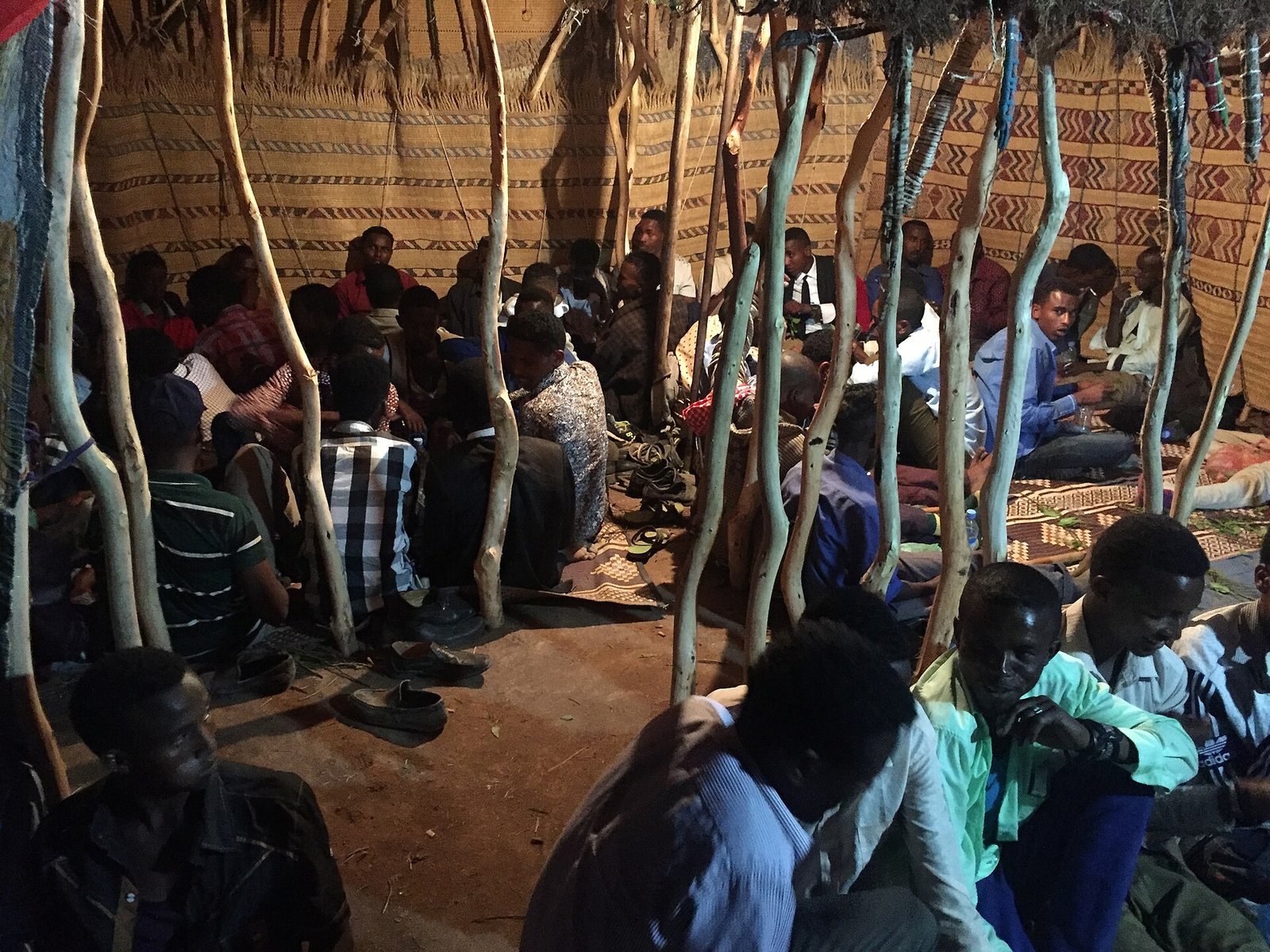
A Somaliland wedding does not begin with a party. It begins with a conversation between two families, sometimes many conversations, long before anyone dances. By the time the celebration arrives, the marriage has already been agreed, negotiated and sealed, and the party is the moment the whole community is invited to share in it.
A Somaliland wedding: two families, not two people
Traditionally, according to a Norwegian government report on Somali marriage, marriage in Somali society is arranged between families, especially for a first marriage. When a man’s family approves of his choice, his father or closest male relative may approach the woman’s family. They, in turn, look closely at the suitor: his background, his clan, his character, his education and his work. An engagement follows, but it creates no legal obligation to marry.
Among the northern pastoralist clans, families have often preferred to marry across clan lines, building alliances between groups. A woman keeps her father’s clan identity after marriage rather than joining her husband’s. For more on how clans have long settled matters between them, read The Unwritten Laws That Guided Generations.
The negotiation
Before a date is set, the families negotiate: when the wedding will take place, who pays for what, where the couple will live, and the yarad, a bride price paid by the groom’s family to the bride’s. It usually takes several rounds of talks to agree.
“By the time the celebration arrives, the marriage has already been agreed, negotiated and sealed.”
The Somaliland wedding contract
The marriage itself is the nikaah, a binding contract concluded before a religious official and two male witnesses, with the bride represented by a male guardian. The contract must set out the meher, the dowry, which belongs to the bride personally. In Somaliland, family matters follow Islamic law; marriages are performed through the regional courts, which issue certificates, and must also be registered with the authorities in Hargeisa. There is no civil marriage.
The Somaliland wedding celebration
Only then comes the aroos, the wedding celebration, which marks the couple beginning their life together. Traditionally it lasted seven days, with men and women celebrating separately, though today the form varies from family to family and between town and country. For the dishes you may meet at the table, see our guide to Somaliland food.
Among the sounds you are most likely to hear is the buraanbur, a form of poetry composed by women and performed at weddings with drums, clapping and dance. It is the women’s counterpart to the men’s weighty gabay, and part of a poetic tradition that runs through every corner of Somali life, which we explore in When Words Were Mightier Than Weapons.
A note on change
Customs differ between families, regions and generations, and between Hargeisa and the countryside. What is described here is the traditional framework, not a rule every family follows. If you are invited to a wedding in Somaliland, the best guide is your host. For everyday customs, from greetings to tea, see our guide to Somaliland etiquette.
Sources
- Somalia: Marriage and divorce, Landinfo (Norwegian Country of Origin Information Centre), 14 June 2018.
- African literature: Somali, Encyclopaedia Britannica.
- Buraanbur, Wikipedia.
Last checked 24 October 2026. Found an error or something out of date? Tell us.