Somaliland Food: What to Eat and Drink in Hargeisa
Spiced tea at sunrise, pancakes dripping with ghee, rice served with a banana on the side. A first taste of Somaliland food.
CULTURE · FOOD
Ask anyone who has visited Somaliland what they remember, and food comes up quickly. Not because the cooking is fancy, but because it is generous, filling and built around a few things done well: fresh meat, fragrant rice, sweet tea and a flatbread that turns up at almost every breakfast.
Somaliland food is part of the wider Somali kitchen, which grew out of maritime trade, nomadic herding and colonial contact. That history shows on the plate: spices from the Indian Ocean trade, camel milk from the pastoral interior, and, a little unexpectedly, spaghetti from the Italian era. Here is what to look for, from the first glass of tea to the last bite of dinner.
Somaliland food at breakfast: laxoox, ghee and tea
The day starts with laxoox (also called canjeero), a thin, spongy pancake made from a fermented batter. It is related to Ethiopian injera but smaller, thinner and slightly sweeter. Traditionally the batter stood for a day or more to sour; today most cooks speed things up with yeast.
How you eat it depends on your mood. Sweet: with ghee (subag), sugar or honey. Savoury: with liver and onions or suqaar, small cubes of meat fried with onion and spices. Some places also serve odkac (or muqmad), small pieces of dried meat preserved in ghee, a traditional food that kept herders going on long journeys.
Whatever comes with it, laxoox is almost always served with Somali tea.
Shaah: the tea that runs the day
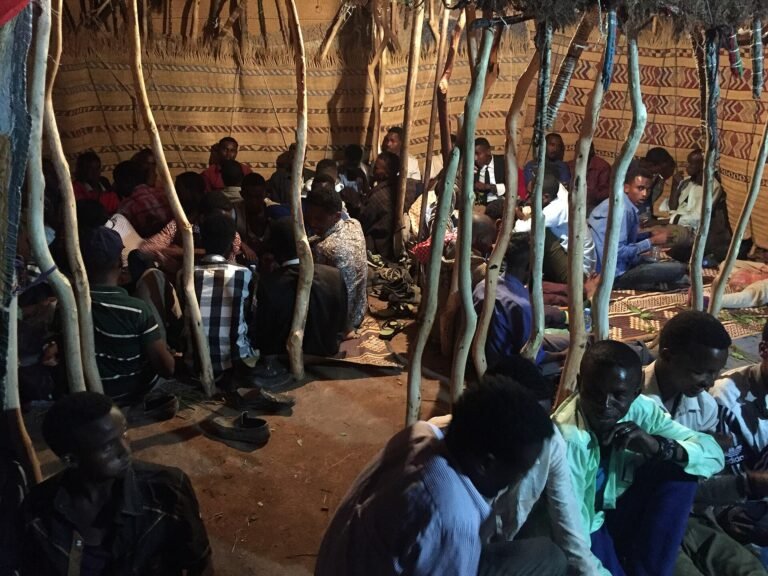
Shaah is black tea brewed with spices such as cardamom, ginger or cinnamon, usually sweet and often with milk. You will be offered it at breakfast, after lunch, in offices and in homes. Saying yes is the easiest way to start a conversation. Our guide to Somaliland etiquette has more on being a good guest.
Somaliland food at lunch: rice, meat and a banana on the side
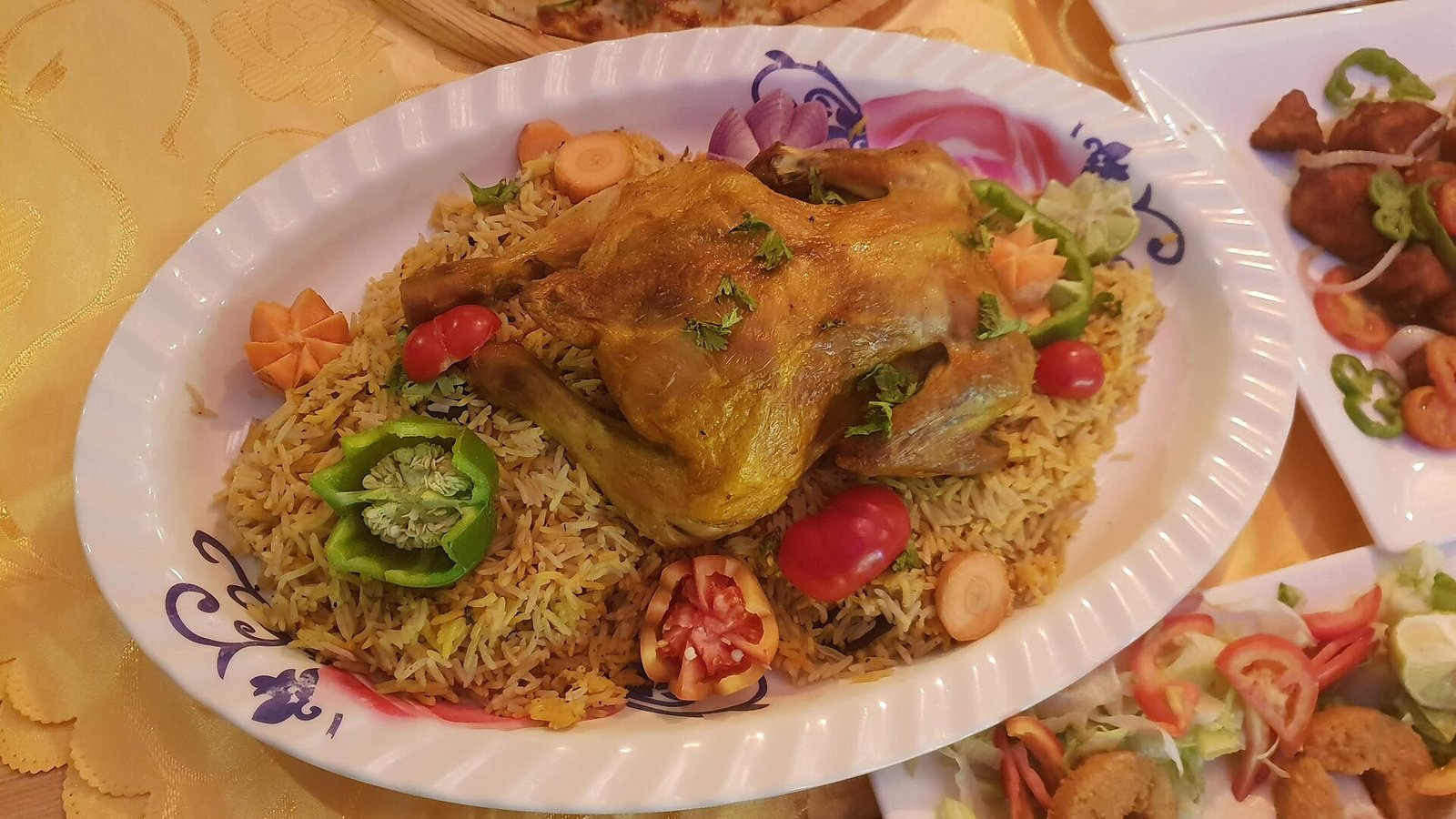
Lunch is the main meal. The classic is bariis iskukaris, rice cooked with spices, vegetables and meat in one pot, usually with goat or mutton, which is the most widely eaten meat in Somali cooking. Chicken and camel also appear.
Two details surprise first-time visitors:
- The banana. Rice is usually served with a banana on the side, eaten together, bite for bite. Try it; it works.
- The spaghetti. Pasta, or baasto, came with the Italians, though Somalis serve it with a heavier, spiced meat stew instead of a light Italian sauce. Some restaurants offer a “federation” plate: rice and spaghetti side by side.
Lunch is often finished with fresh juice. Mango, guava and tamarind are common choices.
Camel: milk and meat
In Somali culture, the camel is king. It is a sign of wealth, a gift at weddings and a way to settle disputes. It is also food.
Camel milk is the lifeline of herding families, who can live on it for weeks in the drylands. In normal times it is brought in from villages around Hargeisa every morning and sold by women traders across the city’s neighbourhoods. If your stomach is not used to it, start with a small glass. Be aware that supply depends on the rains: during the drought of late 2025, herders moved their animals far from the city and fresh milk sales in Hargeisa largely dried up.
Herders rarely slaughter their camels, so camel meat is not everyday food; in towns it is considered a local delicacy. If it is on the menu, order it.
Evening snacks and sweets
Dinner is lighter and can be late. Look out for:
- Sambuus, crisp, triangular pastries filled with spiced meat, close cousins of the samosa and a favourite at iftar during Ramadan.
- Cambuulo, beans cooked with butter and sugar, a comforting evening dish.
- Xalwo (halwo), a glossy sweet made with sugar, cardamom, nutmeg and ghee, served at Eid and at weddings. If you are invited to a celebration, you will see it. Our guide to a traditional Somaliland wedding explains the rest of the day.
Fish on the coast
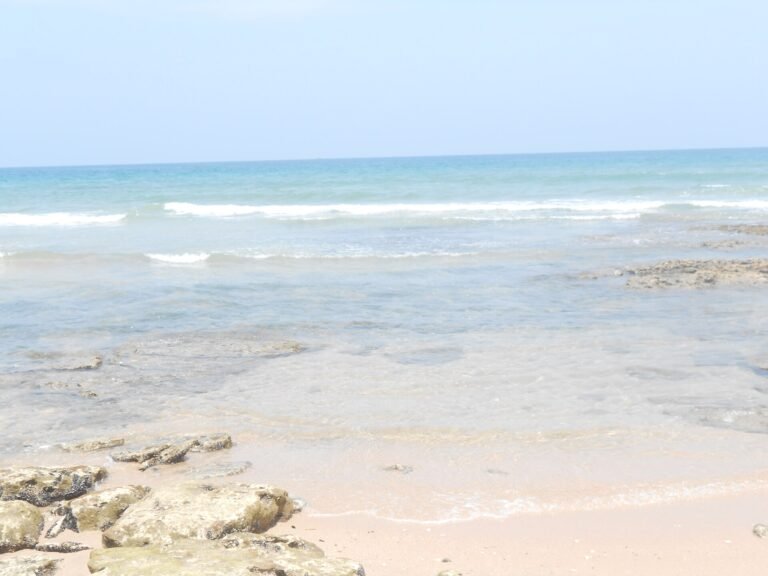
Inland, fish was historically eaten mostly by coastal communities. On the Red Sea coast it is a different story. In Berbera, fresh fish from the morning catch is one of the simple pleasures of a trip.
Good to know about Somaliland food before you sit down
- Everything is halal. Pork is not eaten, and the drinking and sale of alcohol is banned under local law.
- Ramadan changes the rhythm. During the fasting month, do not eat, drink or smoke in public in the daytime. Some restaurants close until sunset, and hotels serving food during fasting hours may seat non-Muslim guests behind a screen. After sunset, the iftar meal is a lively, social time, and dinner can come as late as 11 pm. To see when Ramadan falls, read the best time to visit Somaliland.
- Bring cash. Most local restaurants and cafés expect cash, usually US dollars or Somaliland shillings. See our guide to money in Somaliland.
- Khat is not food, but you will see it. It is chewed socially and is legal locally, but taking it out of the country is an offence, and bags are searched at Hargeisa airport.
Where to start with Somaliland food
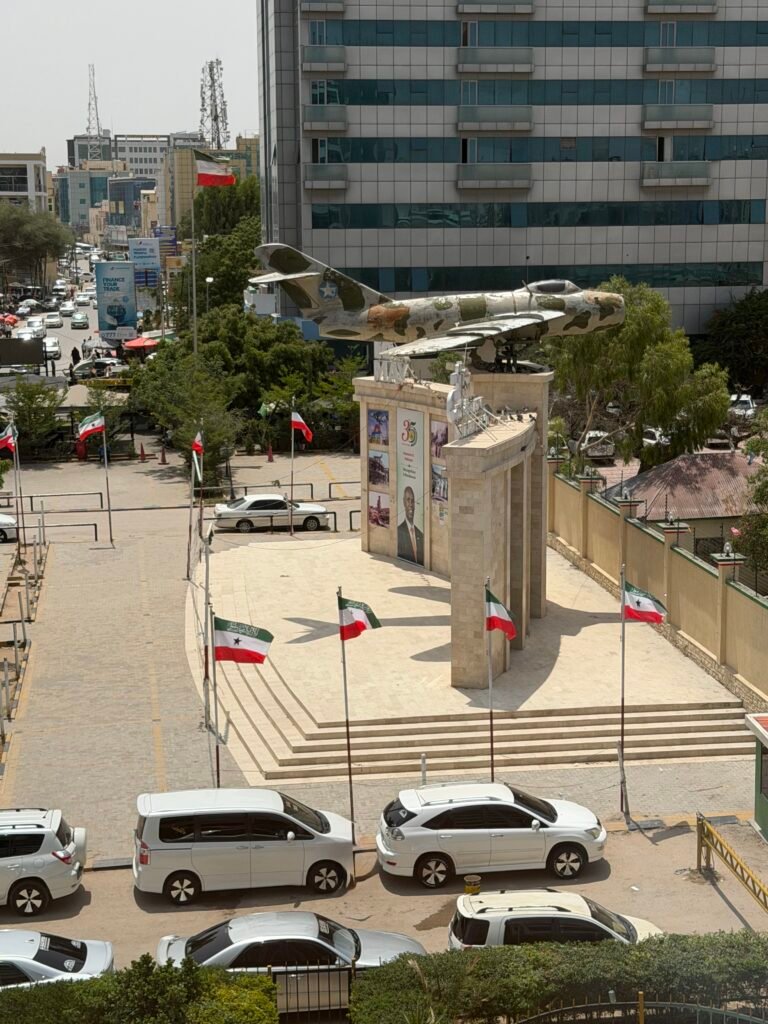
Hargeisa is the easiest place to try all of this, from a breakfast of laxoox and tea near the market to a full plate of rice and goat at lunch. Our Hargeisa travel guide covers the rest of the city, and if you are still planning the trip, start with how to get to Somaliland.
Sources
- Somali cuisine, Wikipedia (accessed 25 October 2026).
- Lahoh / Canjeero, Wikipedia (accessed 25 October 2026).
- Milk, meat and might: in Somalia, “the camel is king”, Africanews with AFP, 17 November 2021 (updated 13 August 2024).
- Drought shrivels up milk supplies in Hargeisa, affecting Somaliland women traders and pastoralists, Radio Ergo, 7 January 2026.
- Somalia travel advice: local laws and customs, UK Foreign, Commonwealth & Development Office (updated 4 June 2026).
Last checked 25 October 2026. Found an error or something out of date? Tell us.