Saving Somaliland’s Cheetahs: Inside the Rescue Centre at Geed-Deeble
More than a hundred cheetahs, most of them rescued as tiny cubs from smugglers, now live at a cheetah rescue centre in the acacia scrub outside Hargeisa. We went to meet them.
PLACES · WILDLIFE
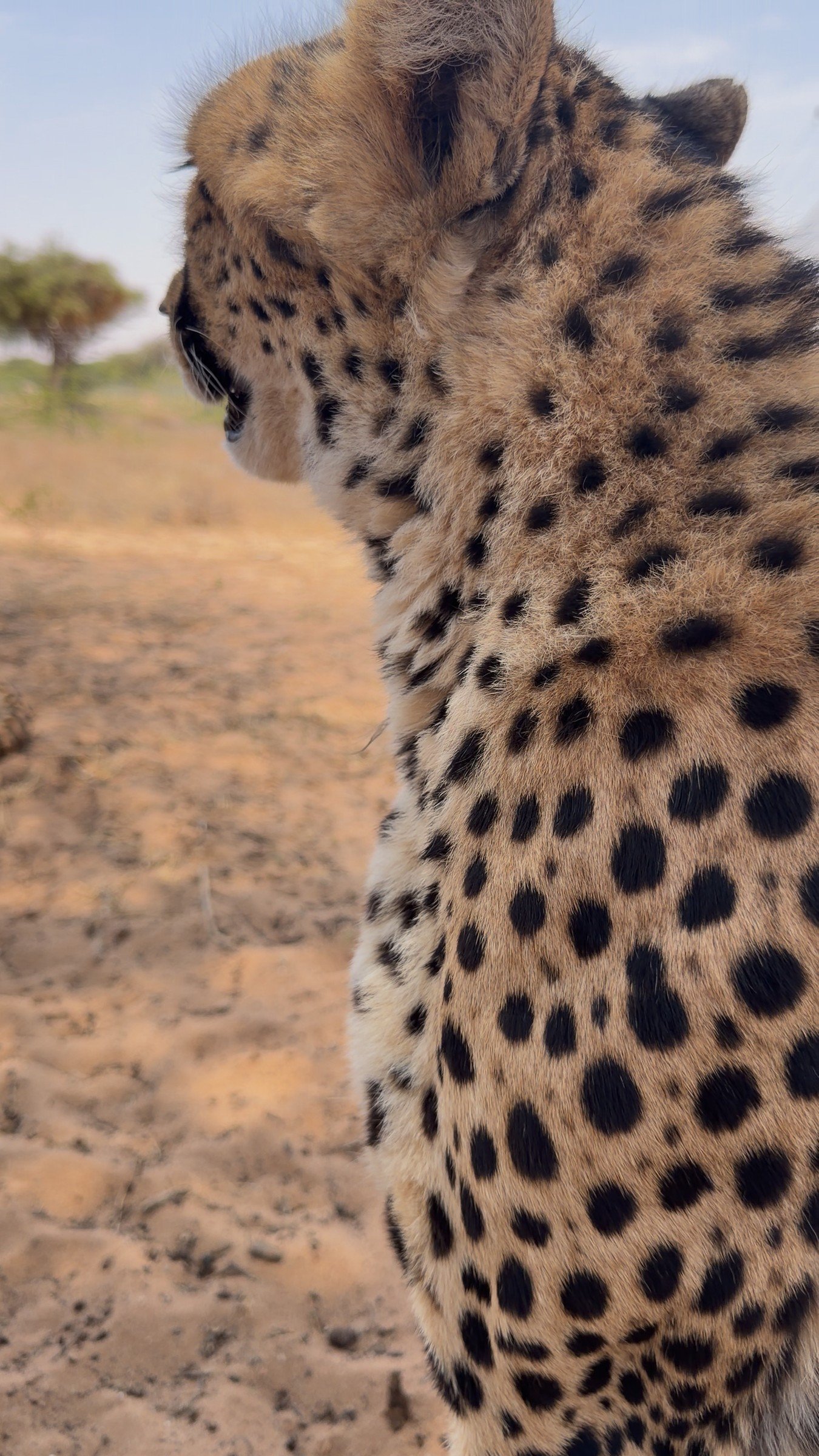
About an hour from Hargeisa, in the dry acacia country of Geed-Deeble, a cheetah lifts its head and looks straight past you towards the horizon. Up close, every spot on its coat is sharp and dark. It is one of more than a hundred cheetahs living at the Cheetah Rescue and Conservation Centre, run by the Cheetah Conservation Fund (CCF) together with Somaliland’s Ministry of Environment and Climate Change. Almost every one of them has the same story: taken from the wild as a cub, and saved before it could be sold.
Why the cheetah rescue centre is needed
The Horn of Africa is one of the main sources of cheetah cubs for the illegal pet trade. CCF estimates that more than 300 cheetah cubs and other wild animals are taken from the region every year. According to an AFP report from March 2026, cubs caught in Somaliland or Ethiopia are usually shipped across the Gulf of Aden to Yemen and then on to wealthy buyers in the Gulf. The villagers who catch them may receive $50 to $100; the final price can reach $15,000 to $20,000.
Somaliland has chosen to fight back. Its coastguard and authorities intercept smugglers, and in 2016 the government decided that confiscated cheetahs would stay in the country and be cared for there. In 2025 alone, six confiscations brought 34 cheetahs to the centre, including 11 cubs intercepted at the port of Berbera.
From safe houses to the savannah
At first, rescued cubs were kept in safe houses in Hargeisa. Construction of a proper home began in December 2021, and in early 2023 the first 52 cheetahs moved to Geed-Deeble.
Today the centre covers 800 hectares, with large natural enclosures, a veterinary clinic, a nursery for cubs and an emergency quarantine area. It is the first facility of its kind in the Horn of Africa.
A big share of the region’s cheetahs
At the end of 2025, the centre was caring for 128 cheetahs, 30 of them cubs under a year old. The team told us that this is about 2% of all the cheetahs in the world and around a quarter of the cheetahs in the Horn of Africa. The numbers bear that out: only about 7,000 cheetahs are thought to remain in the wild worldwide, and CCF estimates that fewer than 500 remain in the wild across the Horn of Africa.
The team also told us that the centre relies on the generosity of private donors to feed and care for the animals every day.
What we saw at the cheetah rescue centre
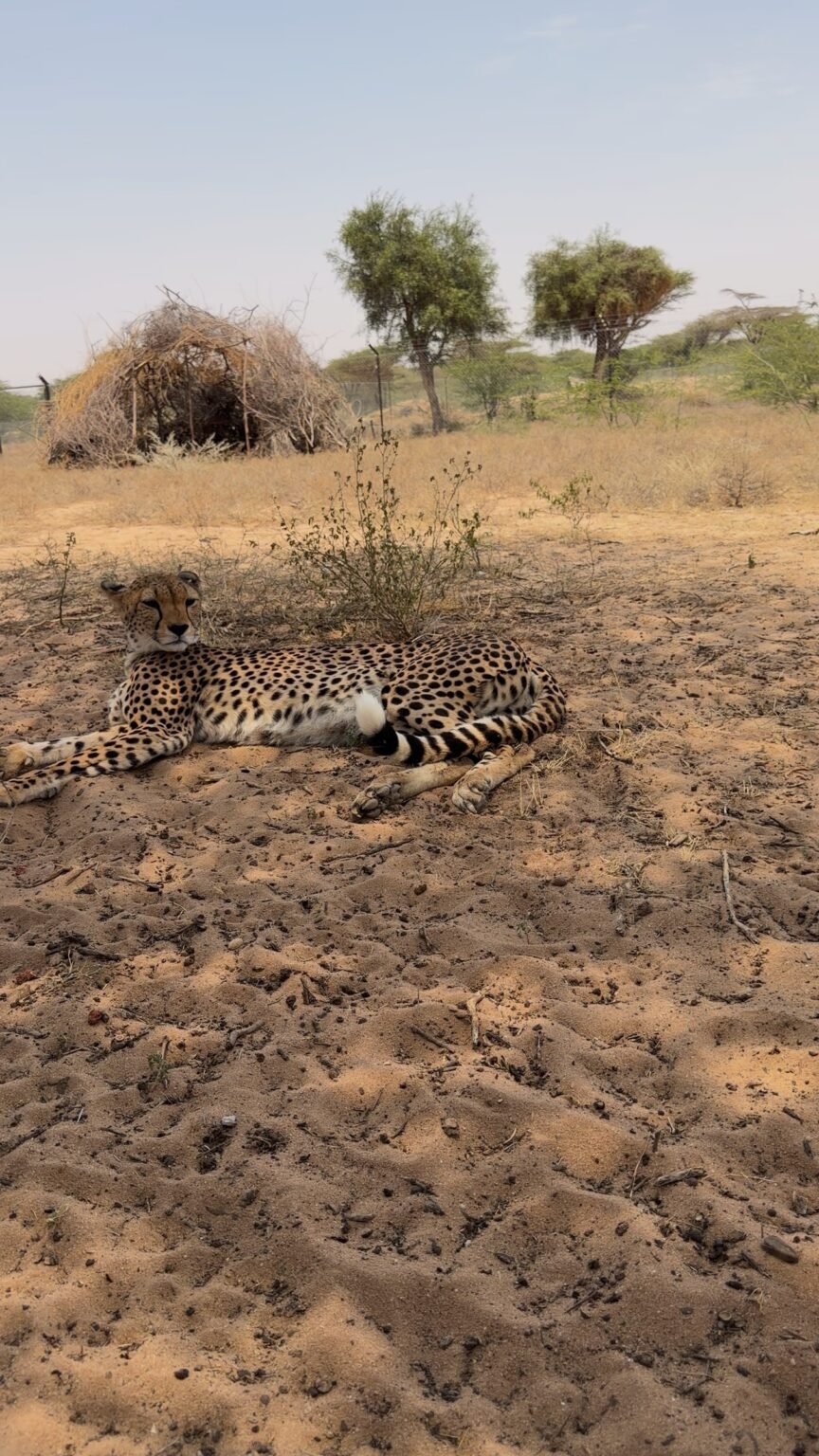
Walking along the fences, we saw cheetahs resting in the shade of the acacias and others pacing calmly along the wire, watching every move. The enclosures are wide and open, with sand, low bushes and trees, much closer to the savannah than to a zoo.
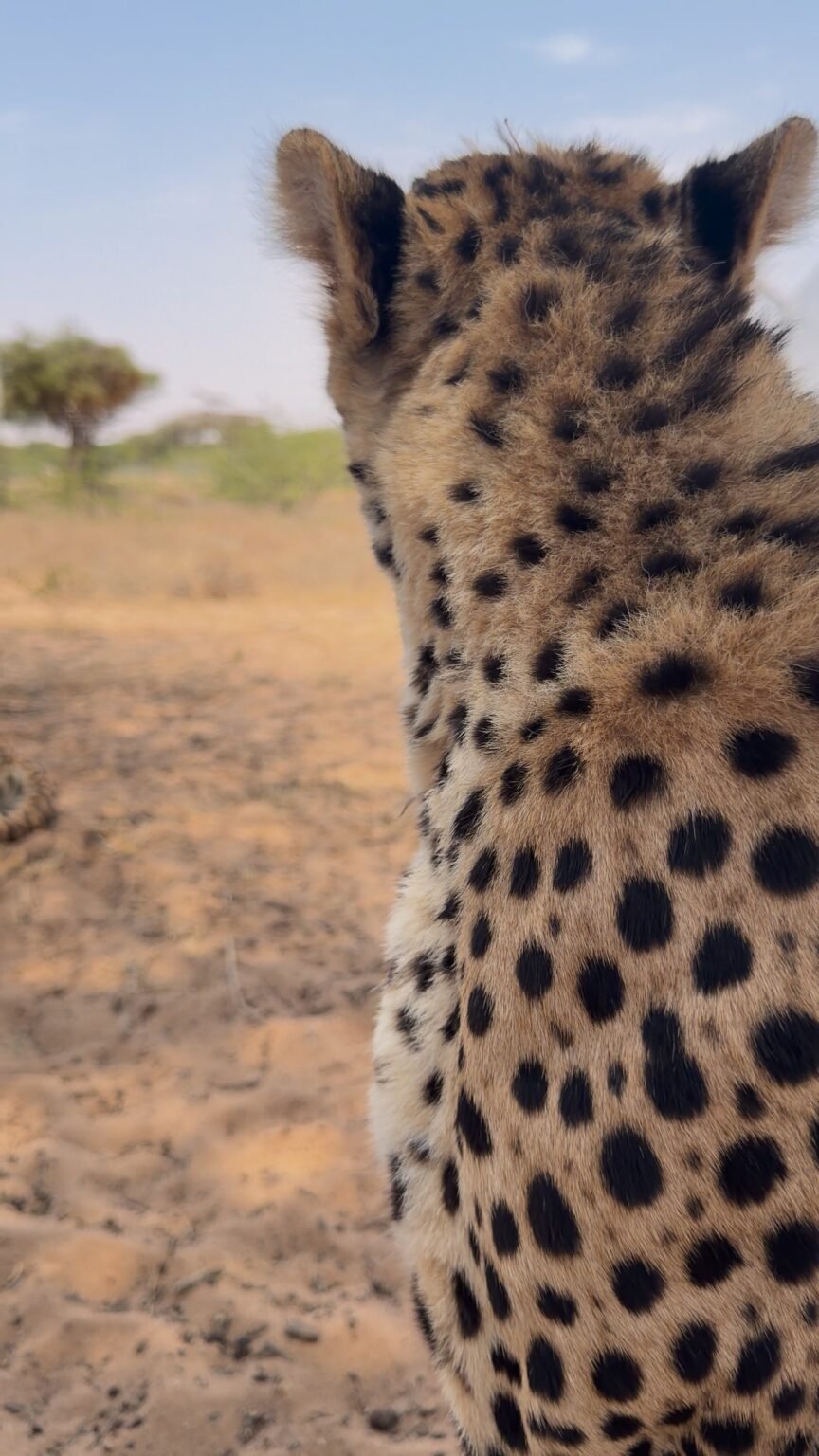
The cheetahs here are used to people, and most could never survive on their own. CCF says it does not breed cheetahs and sees captive care as a bridge back to the wild wherever possible.
The road back to the wild
The next step has already begun. In 2026, CCF started developing the centre’s second phase, including a 15-kilometre perimeter fence and two rewilding enclosures of 200 hectares each, where cheetahs can live in conditions much closer to the wild.
The work also reaches beyond the fences. In December 2025, Somaliland’s Minister of Environment and Climate Change opened a new Education and Training Centre on the site, and CCF works with communities around Geed-Deeble, including women farmers, so that people and wildlife can live side by side.
Can you visit the cheetah rescue centre?
The centre is not a regular tourist attraction, and the cheetahs’ welfare comes first. CCF has said that it plans to offer public tours once the centre is complete. We visited with the help of local friends; if you would like to see it, contact CCF well in advance and ask about the current arrangements. If you are planning a wider trip, see the best time to visit Somaliland.
How you can help the cheetah rescue centre
The simplest way to help is to donate to the Cheetah Conservation Fund. And wherever you travel, never buy, share or “like” photos of cheetahs kept as pets: demand is what keeps the trade alive.
For more of Somaliland’s wild side, read Visiting Laas Geel and Sheikh: Somaliland’s Mountain Town Above the Clouds.
Sources
- Somaliland CRCC: Cheetah Strides 31, Cheetah Conservation Fund newsletter, July 2026.
- Somaliland centre saves cheetahs from trafficking to Gulf palaces, AFP via Al-Monitor, 20 March 2026.
- Fifty-two cheetahs rescued from illegal wildlife trade given new home, Cheetah Conservation Fund, 9 March 2023.
- Somaliland Facilities Fact Sheet 2023, Cheetah Conservation Fund.
- Empowering communities to stop wildlife crime and save cheetah cubs in Somaliland, Cheetah Conservation Fund UK, 9 December 2025.
Last checked 25 October 2026. Found an error or something out of date? Tell us.