Somaliland Fishing: The Coast, the Catch and the Blue Economy
Somaliland fishing is still mostly small boats, ice boxes and early-morning markets along a long, lightly fished coast. Here is who fishes, what they catch, and why the blue economy is drawing new attention.
OPPORTUNITIES · BLUE ECONOMY
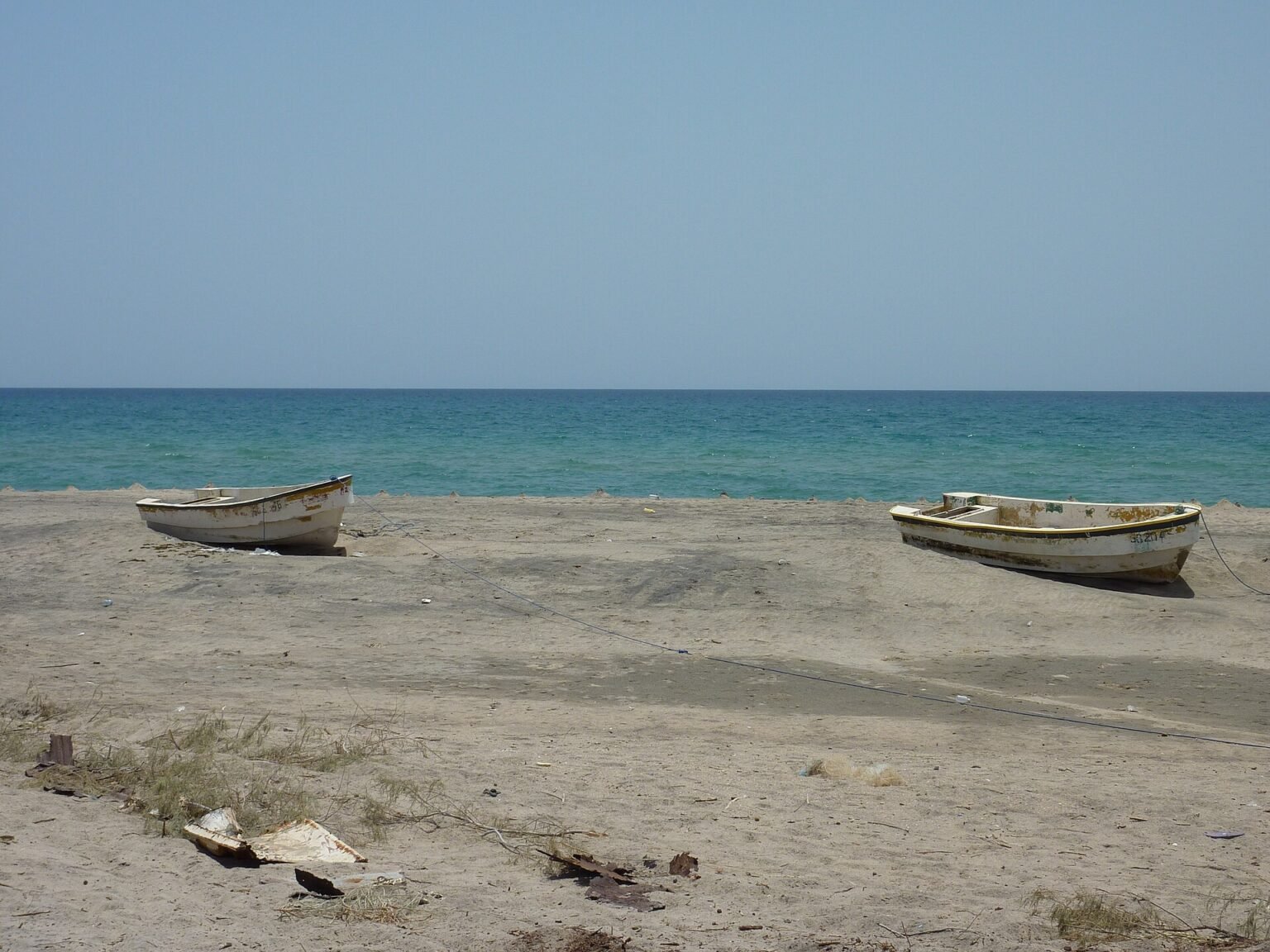
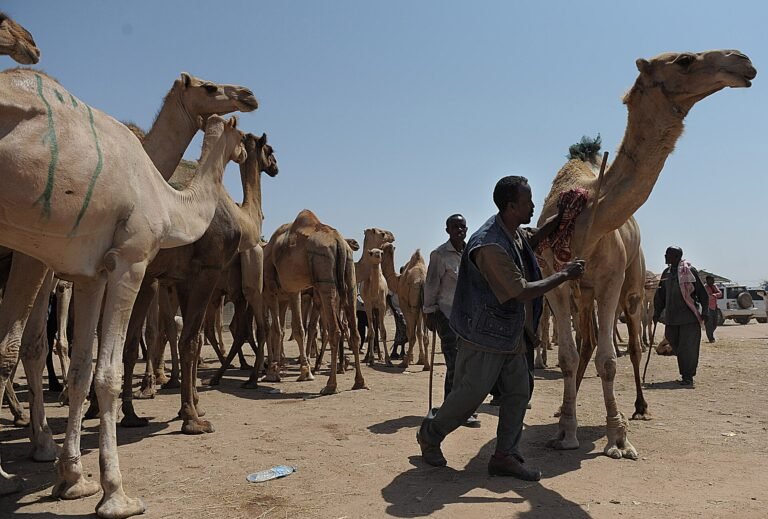
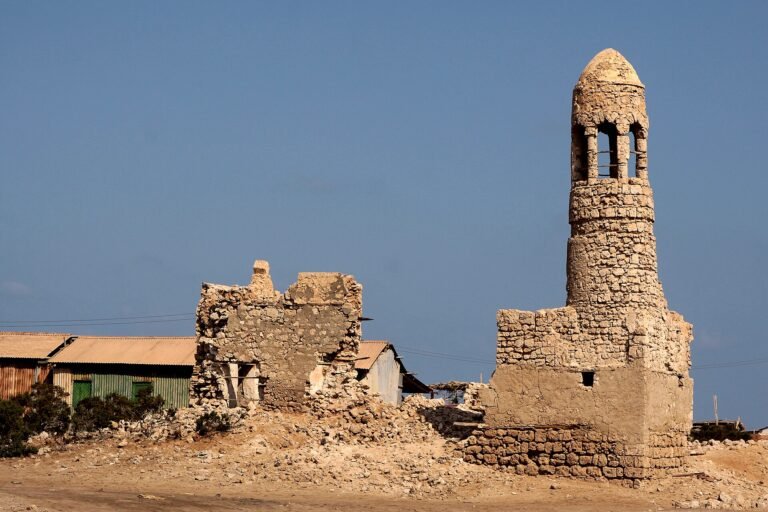
Somaliland faces the Gulf of Aden along roughly 850 km of coast, according to the government’s statistics office. Yet this is a country of camel herders, where the sea has long come second. That is slowly changing. New jetties, ice plants and a women-run fish market are giving the coast a bigger role.
Somaliland declared independence from Somalia in 1991 and governs itself. Somalia regards it as part of its territory. Israel (December 2025) is so far the only UN member state to recognise it (see Somaliland’s foreign relations).
Somaliland fishing at a glance
Here are the key figures in one place. Estimates vary widely, so each one names its source.
| Coastline | About 850 km on the Gulf of Aden (Somaliland in Figures 2025) |
| Annual catch | 3,244 tonnes (2021 baseline in the National Development Plan III review) |
| Target for 2027 | 3,900 tonnes, about 20% more |
| Registered vessels | 445 in 2021, with a target of 670 |
| Fishing towns | Zeila, Lughaya, Bulahar, Berbera, Karin, Hiis and Maydh, among others |
| Main catch | Groupers, jacks, snappers, emperors, tuna and mackerels |
| Responsible ministry | Ministry of Fishery and Marine Resources, a separate ministry again since December 2024 |
Somaliland fishing: a long coast, lightly fished
The coast changes from west to east. The Ministry of Investment describes wide sandy beaches in the west and narrower beaches with cliffs in the east. The continental shelf is only 5 to 10 km wide in the east, but widens to 30 to 50 km near Zeila.
Its list of fishing towns runs from Loyado on the Djibouti border to Elayo in the far east. A 2021 study found ice plants only in Berbera and Maydh, the latter in Sanaag.
How much more could the sea give? Nobody knows for sure. The same ministry page puts the potential at 190,000 to 210,000 tonnes a year. A 2021 study of Berbera’s fish trade, by contrast, cites an estimated sustainable yield of about 40,000 tonnes. Both agree on one point: today’s catch is a small fraction of what is possible. The government’s own plan lists stock assessments as work still to do.
Somaliland fishing boats and their catch
Somaliland fishing is small-scale. In Berbera district alone, a local expert estimated about 2,000 fishers and fishmongers in 2021, and about 80% of producers were under 30. Women made up only about 3%. Boat counts differ: the same study cites about 250 boats in use, while ministry records list 500, including old ones.
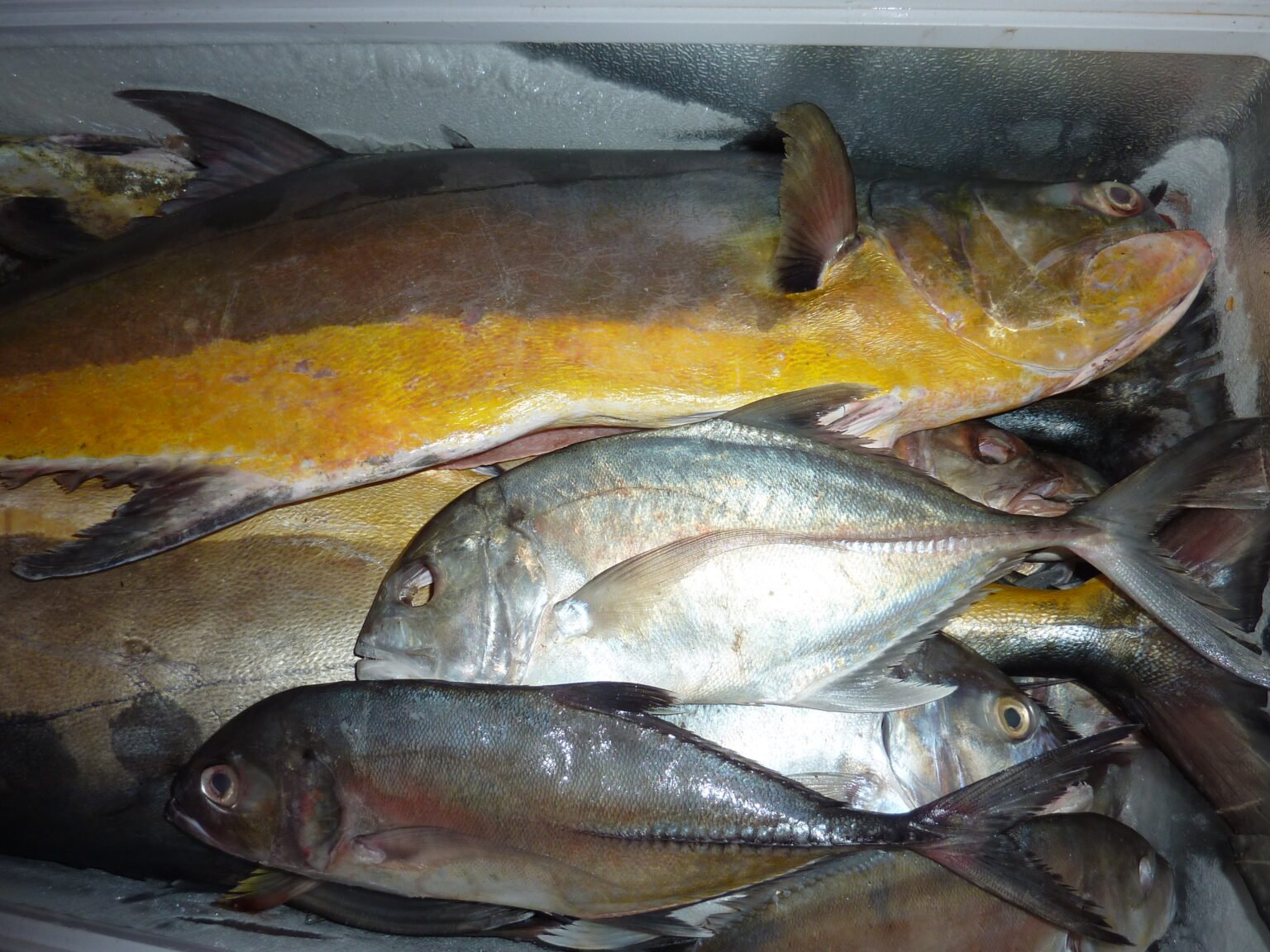
The catch is mainly reef and open-water fish. The study names tuna, Spanish mackerel, groupers, snappers and sea breams. Small boats can go out safely for about nine months of the year. The south-west monsoon blows from June to September.
Further east lies Las Qoray, where a tuna cannery was built in 1970. Its control is disputed between Somaliland and Puntland, and the cannery was reported shut in 2021.
A herding culture that is learning to eat fish
Why so little fishing on such a long coast? Part of the answer is on the plate. A 2011 study by FAO’s food security unit, FSNAU, found a strong preference for red meat, worries about bones and little know-how on storing or cooking fish.
The picture differs by town. In Berbera, households ate fish at least three times a week, because it was cheap and close. Inland in Burao, fresh fish was costly, so many households ate it mainly on Fridays, at Eid and Ramadan, and with guests.
Somalia-wide figures show how low the starting point was. FAO put consumption at just 1.6 kg per person a year in 2003. Consumption is now rising in towns, the 2021 Berbera study found, and canned tuna is common in villages. For what Somalilanders do eat, see our guide to Somaliland food.
Ice, jetties and markets: building the cold chain for Somaliland fishing
In a hot climate, fish without ice spoils fast. That is the main bottleneck, and most recent projects target it.
- Solar cold stores. In 2019, Radio Ergo reported solar-powered fridges in six coastal villages, including Maydh, Hiis and Bulahar. They were financed by the Somaliland Development Fund, with EU support. Men from pastoral areas were joining the boats.
- Maydh jetty. A US$4.8 million jetty at Maydh was completed in 2022, funded by the UK, Denmark and the Netherlands through the same fund. The planning ministry says it is 165 metres of steel.
- Berbera fish market. Funded by the UK and Denmark with TradeMark Africa, the solar-powered market has cold rooms and space for 200 women traders a day.
- Private ice. A crowd-funded ice plant was working in Berbera by 2015, serving boats that target tuna and kingfish.
Processing is growing too. Somtuna, in which the Dahabshiil Group has invested, cans Gulf of Aden tuna in Berbera and exports to Ethiopia, according to a 2025 Capital FM report that quotes the company’s backers. The upgraded Berbera port and its road corridor make that trade easier.
Gaps remain. The 2021 Berbera study found the town’s jetty could take only three boats at a time, and electricity for chilling was costly.
Foreign boats and illegal fishing
Illegal, unreported and unregulated (IUU) fishing is a long-standing worry. Fishers interviewed in 2021 said unlicensed fleets, mostly Yemeni and Egyptian, fished Somaliland waters, and that the ministry lacked the means to monitor them.
The Coast Guard does act. In October 2025, a 48-hour operation from its base at Zeila seized 21 boats and detained about 100 people, the Horn Tribune reported. In 2020, according to Wikipedia, the ministry also suspended the issuing of fishing licences, citing depleted stocks.
The wider losses are hard to measure. An EU-funded study put losses from illegal foreign fishing across Somali waters at US$100 million to US$450 million, a Somalia-wide estimate. Somaliland’s Fishery Law of 2018 makes the ministry and the Coast Guard jointly responsible for preventing it.
The Somaliland blue economy: what comes next
The government’s plan for 2025 to 2027 is practical. It includes a modern licensing system, catch monitoring at key ports, fish markets with cold chains in Hargeisa, Erigavo and Wajaale, and private plants for canning, drying and smoking. It also reports a hurdle: the ministry had completed 47% of planned activities, with limited partner support.
For outsiders, the openings in Somaliland fishing lie in the links of the chain: ice, cold storage, boat repair, processing and transport inland. The investment ministry names Ethiopia, Djibouti and Saudi Arabia as export markets that have shown interest. This is a description of the sector, not investment advice. Rules and incentives change, so check them with the ministry first. Our guide to doing business in Somaliland covers the basics.
If you visit Berbera, the morning fish market is the easiest way to see all this up close. Our Berbera guide has the details.
Sources
- Somaliland in Figures 2025 (23rd edition), Central Statistics Department, Ministry of Planning and National Development, 2025.
- National Development Plan III: Production Sector (mid-term recalibration 2025–2027), Ministry of Planning and National Development, uploaded January 2026.
- Fishery, Ministry of Investment and Industrial Development, Somaliland (undated; accessed 28 October 2026).
- Fish value chain and market study, Berbera district, Kabaal Consulting for Candlelight, with Oxfam support (fieldwork July 2021).
- A Knowledge, Attitudes and Practices Study on Fish Consumption in Somalia, FSNAU (FAO), November 2011.
- Fishery Country Profile: The Somali Republic, FAO, January 2005.
- Cold chain in Somaliland makes fishing more lucrative, Radio Ergo, 5 December 2019.
- Somaliland Gov’t in collaboration with SDF complete construction of Maydh Port fishing jetty, Somaliland Standard, 11 May 2022.
- Maydh Jetty impact: stimulating Sanaag’s economy, Ministry of Planning and National Development (undated; accessed 28 October 2026).
- Berbera Fish Market, TradeMark Africa (accessed 28 October 2026).
- New ice plant benefits Somaliland fisheries sector, World Fishing & Aquaculture, 22 September 2015.
- Somtuna leads blue economy revival in the Horn of Africa, Capital FM (Kenya), May 2025.
- Somaliland Coast Guard seizes 21 illegal fishing boats in major crackdown, Maxamuud Walaaleeye, The Horn Tribune, 9 October 2025.
- Ministry of Fishery (Somaliland), Wikipedia (accessed 28 October 2026).
- Illegal, Unreported and Unregulated (IUU) Fishing in the Territorial Waters of Somalia, Trans-Africa Consultancy Services and University of Rhode Island Coastal Resources Center, for Adeso with EU funding, January 2016.
- Somaliland Fishery Law No. 84/2018, UNEP Law and Environment Assistance Platform (accessed 28 October 2026).
- Las Khorey, Wikipedia (accessed 28 October 2026).
Last checked 28 October 2026. Found an error or something out of date? Tell us.