Zeila: Somaliland’s Ancient Port on the Gulf of Aden
A stone minaret, crumbling walls and a turquoise sea. Zeila was once the gateway between Africa and Arabia. Today it is one of the quietest, most atmospheric places in Somaliland.
PLACES · AWDAL
Drive west from Hargeisa toward the Djibouti border and the land flattens into sand and scrub until it meets the Gulf of Aden. Here, on a low sandy spit, stands Zeila: a small town of around 18,600 people (2012) that was, for many centuries, one of the most important ports in the Horn of Africa.
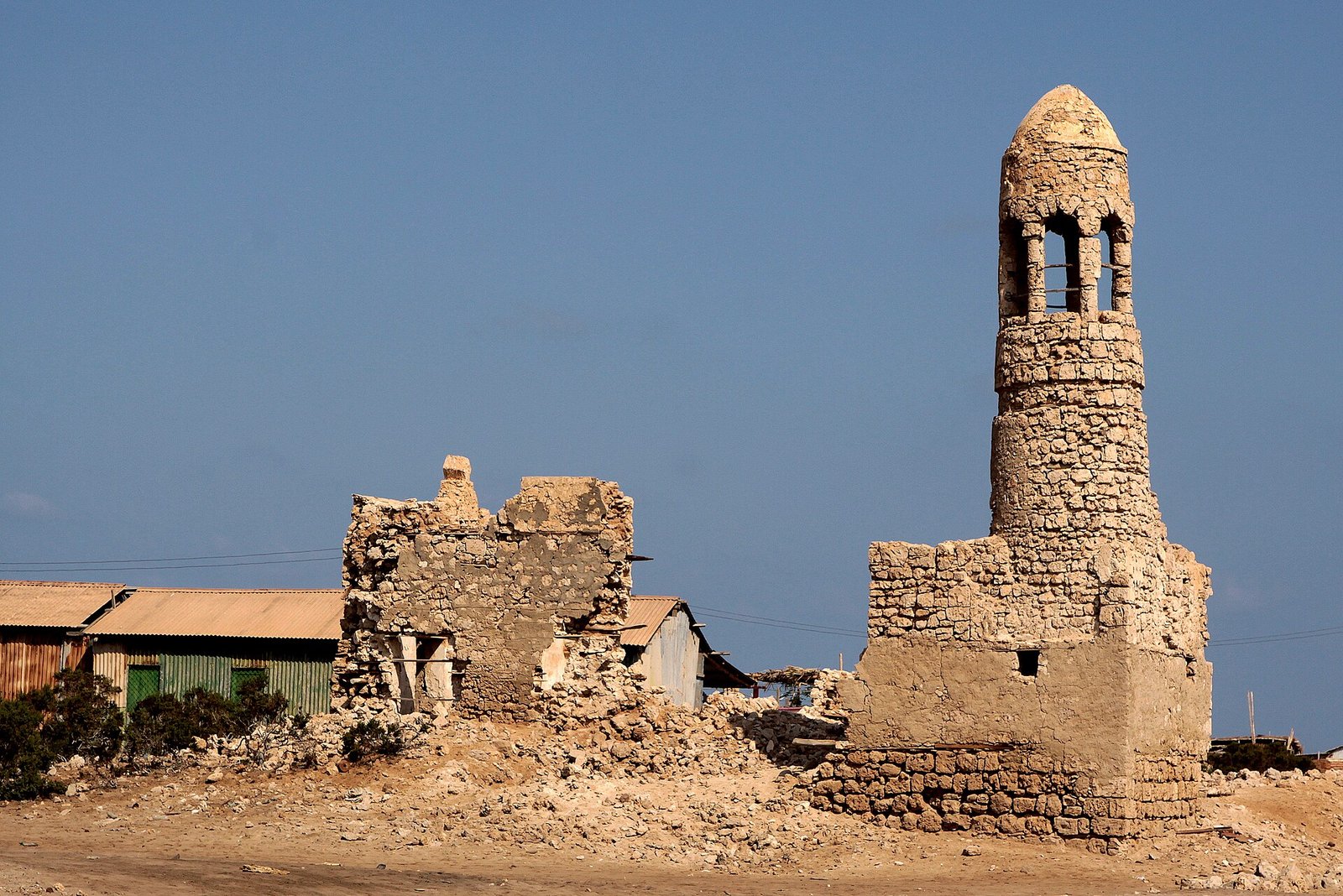
What remains is a place of contrasts. Ruined coral-stone houses stand next to modern homes, an old minaret rises over empty lots, and just offshore lie coral reefs, mangroves and small islands. Few travellers come here. Those who do find a town where history is not behind glass but lying in the street.
Where Zeila is
Zeila (Saylac in Somali) is in the Awdal region of Somaliland, on the coast close to the border with Djibouti. Its position explains its history: it faces Yemen across the water, and for centuries it was the natural sea outlet for caravans coming down from the Ethiopian highlands.
Two thousand years of trade
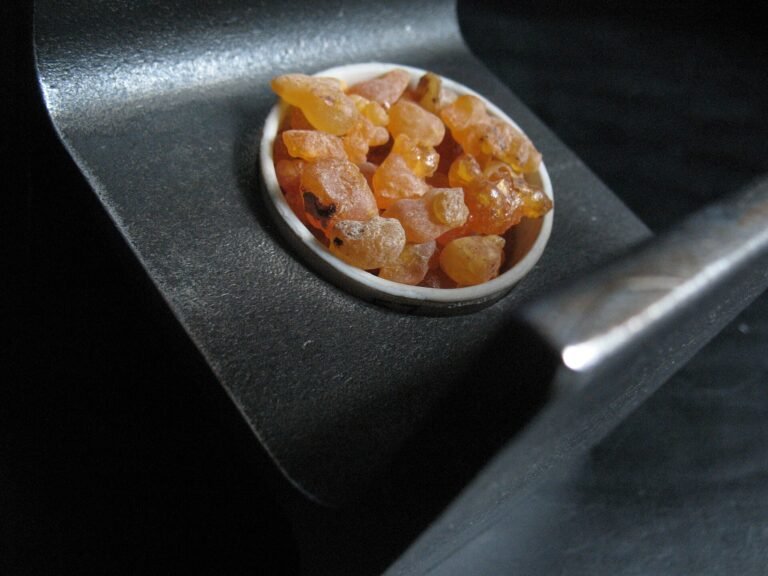
Zeila’s story is usually traced back to about the 1st century CE. Most scholars identify it with Avalites, a trading post described in the Periplus of the Erythraean Sea, a Greek merchants’ guide to the Red Sea and Indian Ocean, although the identification is not certain. The peoples of this coast traded frankincense and other goods with the Mediterranean world, the same trade we tell in The Ancient Treasure That Linked Somaliland to Rome.
Islam arrived early. Zeila’s oldest mosque, Masjid al-Qiblatayn, the “mosque of the two qiblas”, has two prayer niches and is dated to the 7th century.
Capital of Adal
By the late 9th century, the geographer al-Ya’qubi was already describing Zeila as the capital of Adal. Early in the 13th century, another Arab writer described it as a wealthy, fully Muslim city.
The Adal Sultanate reached its height in the 14th century, growing rich on trade with Abyssinia and Arabia. The famous Moroccan traveller Ibn Battuta passed through around this time, sailing to Zeila from Aden on his journey along the East African coast. Later, Adal’s capital moved inland, first to Dakkar and then to Harar, but Zeila remained its door to the sea.
The old town was enclosed by a wall with five gates, and the city was divided into five residential quarters.
Empires come and go
Zeila’s wealth attracted outsiders. Portuguese fleets sacked the city in 1517 and 1528, yet it remained an important market. From 1630 it was a dependency of Mocha in Yemen, later came under Ottoman-linked rule and Egyptian claims, and in 1888 an Anglo-French agreement placed it in British Somaliland.
The real blow was economic. Trade shifted to other routes, and the Djibouti–Addis Ababa railway carried the highland trade to Djibouti instead. Zeila shrank to a village. The civil war of the early 1990s then destroyed much of what was left; since then, money sent home by Somalis abroad has helped with rebuilding, trade and fishing.
What to see in Zeila
- The old mosques. The old minaret and ruined mosque walls (pictured above) and Masjid al-Qiblatayn, the town’s oldest mosque, are the heart of historic Zeila.
- The old town. Walk the lanes among ruined coral-stone buildings and traces of the old walls. Much of it is unmarked, so a local guide makes a real difference.
- The sea and the islands. Offshore lies the Sa’ad ad-Din archipelago, named after a 14th-century sultan of Ifat, with reefs and mangroves. Boat trips depend on local fishermen and the weather.
Before you go to Zeila
- Check the latest advice. Official UK advice for Awdal is the same as for Hargeisa and Berbera; as Zeila sits near the Djibouti border, check with local authorities before you set off, and see Is Somaliland Safe? for details.
- Plan the logistics. Zeila is remote and services are basic. Arrange a vehicle and driver through your hotel or a trusted contact in Hargeisa, bring water and cash, and travel in daylight.
- Respect the sites. The ruins are not fenced museums; many are close to homes and still-used mosques. Dress modestly and ask before photographing people.
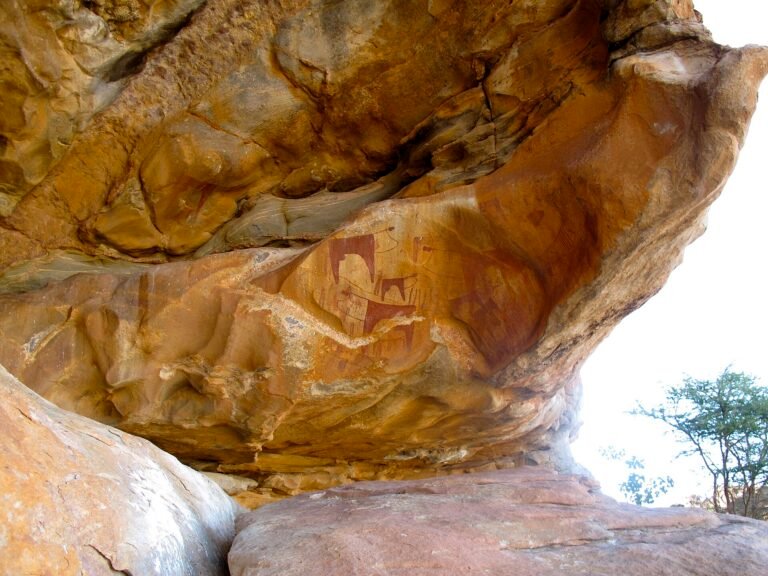
For the bigger picture, read Is Somaliland Safe? and How to Get to Somaliland. If old ports are your thing, Zeila pairs naturally with Berbera on the coast further east, and with the rock art of Laas Geel near Hargeisa.
Sources
- Zeila, Wikipedia (accessed 25 October 2026), citing among others the Periplus of the Erythraean Sea, I. M. Lewis, Richard Pankhurst and the Historical Dictionary of Somalia.
- Ibn Battuta, Wikipedia (accessed 25 October 2026).
- Somalia travel advice, UK Foreign, Commonwealth & Development Office (updated 4 June 2026).
Last checked 25 October 2026. Found an error or something out of date? Tell us.